
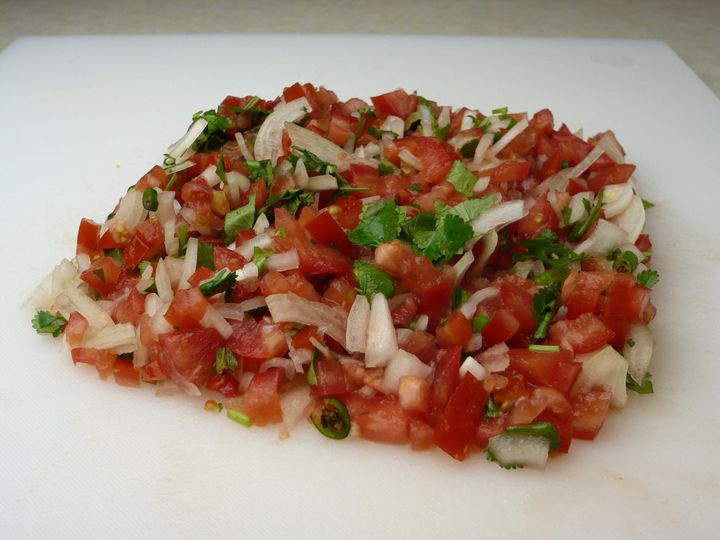
Origin of the Mauritian word “Chatini”
Many people believe chutneys to be an English invention. In fact, the dish originates from Northern India and England, as many people erroneously believe. Indeed, the word ‘chutney’ itself is a corruption of the Indian chatni. It’s derived from he word chatna which literally means ‘to lick’ and represents the lip-smacking sound made on eating something tasty (such as a chutney is meant to be).
Typically, the original Indian chatni is made from a mix of uncooked fruit (such as mangoes, apples, bananas etc), green chillies, green herbs and spices, an acid base such as vinegar or tamarind juice and sometimes sugar ground together to make a paste. Indian chatnis are fresh and intended to be consumed soon after they are made.
This basic chatni recipe was brought back to Britain during the 18th Century where it was adapted as a way of preserving the surpluses resulting from the autumn harvest of fruit and vegetables. As a result the original recipes were adapted to become more of a spicy preserve or condiment where the fruit or vegetables could be preserved over winter by cooking in vinegar and sugar and flavoured with spices before being bottle.
