
There are two dominant types of turmeric found on the world market: ‘Madras’, and ‘Alleppey’, both named after the regions of production in India. The orange-yellow flesh Alleppey turmeric is predominantly imported by the United States, where users prefer it as a spice and a food colorant. Alleppey turmeric contains about 3.5% to 5.5% volatile oils, and 4.0% to 7.0% curcumin.
In contrast, the Madras type contains only 2% of volatile oils and 2% of curcumin.
The Madras turmeric is preferred by the British and Middle Eastern markets for its more intense, brighter and lighter yellow color, better suited for the mustard paste and curry powder or paste used in oriental dishes.
Turmeric produced in the Caribbean, Central and South America has low curcumin and volatile oil contents, and is darker.
The turmeric content in curry powder blends ranges from 10 to 30%.
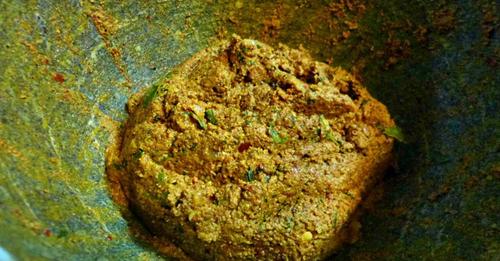
Typical Indian curry powder for meat and fish dishes contains 20-30% turmeric, 22-26% coriander, 12% cardamom, 10% cumin, 10% fenugreek, ginger, cayenne, cloves and fennel in proportions from 1% to 7%.
Curry mixes for vegetarian dishes contain less turmeric, in the range of 5 to 10%, because of the bitter flavor it would impart to the dish.
